
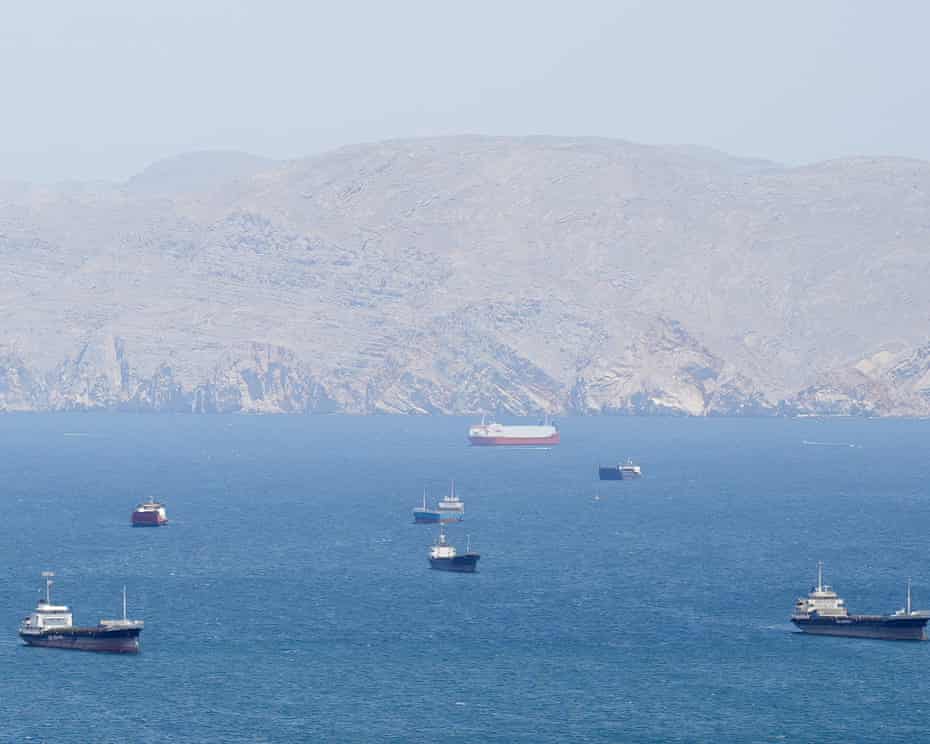
Iran Proposes Ending Strait of Hormuz Tensions Without Nuclear Concessions

Iran has reportedly put forward a proposal to ease tensions in the strategically vital Strait of Hormuz, offering to end its control over the key shipping route without making concessions on its nuclear program. The proposal, revealed by regional officials familiar with the discussions, highlights ongoing diplomatic maneuvering amid heightened tensions in the Middle East.
According to sources, Iran’s offer includes a willingness to ensure the free flow of oil and commercial shipping through the Strait of Hormuz. In return, Tehran is seeking the removal of what it describes as a US “blockade,” which has significantly impacted its economy through sanctions and trade restrictions.
The proposal was reportedly communicated to the through , which has acted as an intermediary in recent diplomatic exchanges. However, early indications suggest that the offer may face resistance from US leadership.
has made it clear that any agreement with Iran must address the country’s nuclear ambitions. Speaking in a recent interview, Trump emphasized that the US holds significant leverage in the negotiations and expects broader concessions as part of any deal.
Iran’s position reflects its continued effort to separate regional security issues from its nuclear program. By proposing a deal focused solely on maritime stability, Tehran appears to be testing whether limited agreements can be reached without reopening more contentious negotiations.
The Strait of Hormuz is one of the most critical chokepoints in global energy supply, with a significant portion of the world’s oil passing through it daily. Any disruption to this route can have immediate effects on global markets, making stability in the area a top priority for many nations.
The proposal also comes as Iran’s foreign minister continues diplomatic engagements, including recent talks in Russia aimed at coordinating positions on broader regional conflicts involving and the United States.
Despite ongoing discussions, the gap between both sides remains wide. The US has consistently insisted that Iran curb its nuclear activities as part of any long-term agreement, while Iran has shown little willingness to include that issue in current negotiations.
As diplomatic efforts continue behind closed doors, the future of the Strait of Hormuz remains uncertain. While Iran’s proposal could reduce immediate tensions, its chances of success depend largely on whether both sides are willing to compromise on their core demands.